July 22, 2026
The pursuit of a flawless smile has evolved dramatically over the last few decades, shifting away from uniform, artificial looks toward highly personalized aesthetics. Today, individuals seek enhancements that seamlessly blend with their unique facial features, skin tones, and natural tooth anatomy. A professional dental clinic plays a pivotal role in this transformation, utilizing advanced cosmetic techniques to restore confidence. Among these innovations, porcelain veneers have emerged as the premier choice for correcting chips, stains, gaps, and minor misalignments. By focusing on customization, modern dentistry ensures that every smile restoration looks entirely authentic.
The demand for cosmetic dental solutions has experienced unprecedented global growth as more people recognize the social and professional value of a healthy smile. According to a market report by Metatechinsights.com, the global dental veneers market was valued at USD 2.71 billion in 2024 and is projected to expand significantly to reach USD 6.52 billion by 2035. This substantial financial growth reflects a broader cultural shift where patients view cosmetic dentistry as a worthwhile investment in their long-term well-being.
This surging popularity is directly tied to technological milestones that have made treatment quicker, more durable, and far more aesthetic than in the past. Early iterations of veneers often resulted in a bulky, overly white appearance that felt out of place. Modern materials, however, allow a skilled dentist to replicate the subtle complexities of natural teeth, making it virtually impossible to distinguish the restoration from the surrounding dentition.
Advanced Ceramic Materials for Natural Translucency
The secret behind a natural-looking smile lies in the material science of modern dental ceramics. Historically, dental professionals relied on thicker porcelain complexes that required extensive enamel removal. Today, a premier dental clinic utilizes advanced lithium disilicate and leucite-reinforced pressable ceramics.
These state-of-the-art materials possess light-reflective properties that mimic natural tooth enamel perfectly. Enamel is not completely opaque; it is a translucent layer that allows light to penetrate and reflect off the deeper dentin structure underneath. Advanced ceramic veneers replicate this depth, preventing the flat, chalky appearance associated with older cosmetic treatments. Furthermore, these materials are incredibly strong, allowing technicians to create ultra-thin shells that require less alteration of the patient's existing tooth structure.
Digital Smile Design for Precision Planning
Achieving a flawless result requires meticulous planning long before the porcelain is bonded to the teeth. A forward-thinking dentist utilizes Digital Smile Design (DSD) software to map out the entire transformation process.
- Comprehensive Photographic Analysis: High-resolution digital images are captured from multiple angles to evaluate the patient's facial symmetry, lip line, and jaw movement.
- Video Biometrics: Videography captures how the teeth appear during natural speech, laughter, and subtle expressions, ensuring the final restorations function harmoniously with the whole face.
- Virtual Mock-ups: The software generates a 3D digital model of the proposed smile, allowing the patient to preview their results and request adjustments prior to treatment.
This digital approach removes the guesswork from cosmetic dentistry, ensuring that the length, width, and alignment of each veneer are perfectly proportioned to the individual's facial architecture.
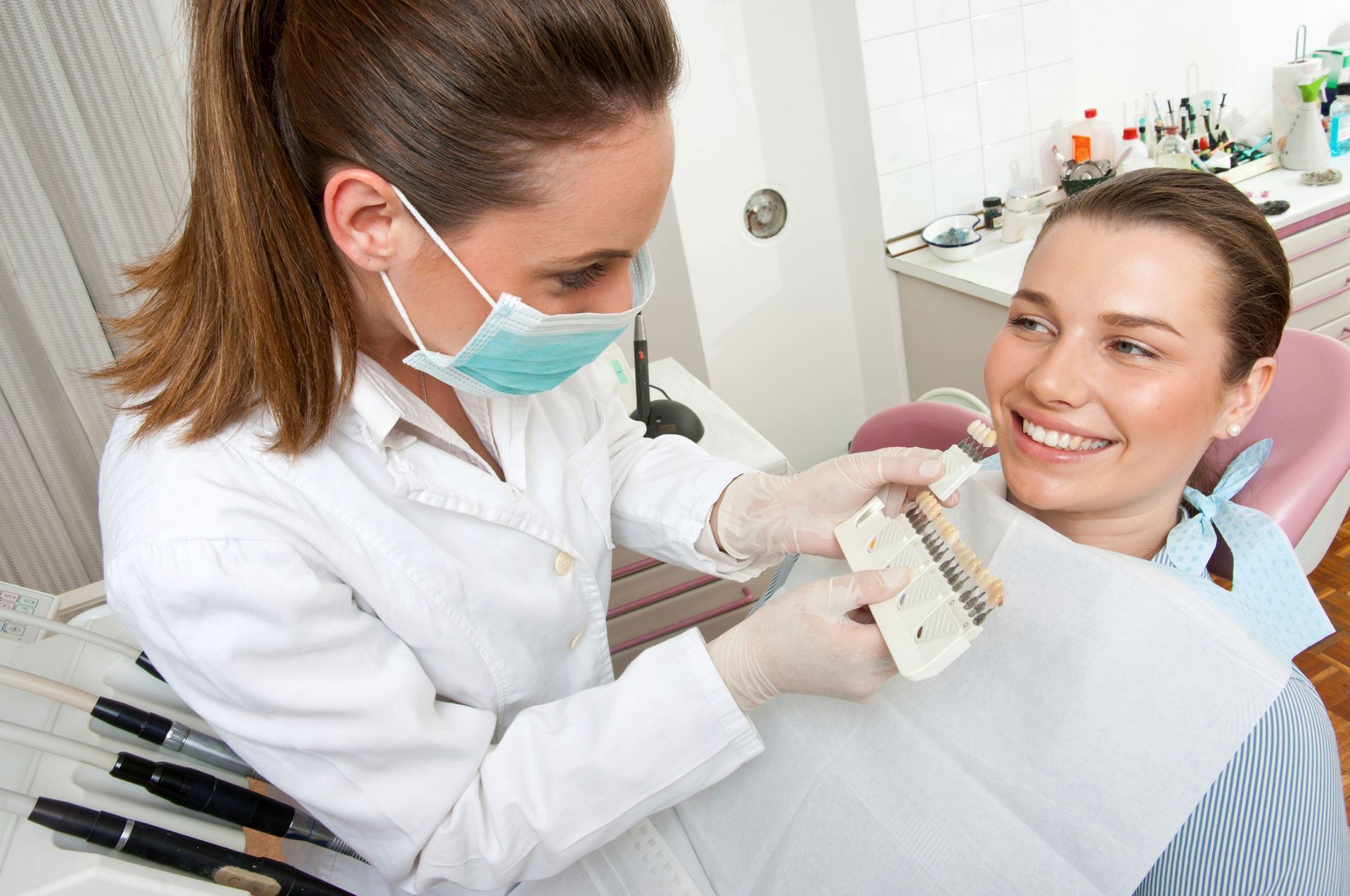
Natural teeth are rarely a single, solid color. They feature a complex gradient of hues, characterized by warmer undertones near the gumline and increased translucency near the biting edges. To achieve an authentic look, a specialized dental clinic works alongside master laboratory ceramists who handcraft each restoration.
Ceramists apply microscopic layers of different porcelain shades to build a multi-dimensional appearance. They also incorporate subtle surface textures, including tiny ridges and developmental grooves, that catch and scatter light exactly like natural enamel. This precise level of detail ensures that the veneers do not look artificially smooth, allowing them to integrate flawlessly with any remaining untreated teeth.
Tooth Structure Preservation with Conservative Methods
A primary concern for many patients considering cosmetic enhancements is the amount of tooth preparation required. Traditional methods often demanded the removal of a significant amount of sound enamel, which could cause tooth sensitivity and weaken the underlying structure.
Modern protocols utilized by a conservative dental clinic focus on minimally invasive preparation. Because advanced ceramics are exceptionally strong even when sliced incredibly thin, dentists only need to remove a fractional layer of enamel, often less than a millimeter. In some select cases, no-prep veneers can be applied directly to the existing teeth without any drilling at all. This preservation of natural tissue preserves the structural integrity of the tooth, minimizes post-operative discomfort, and maintains a strong bond.
Creating a beautiful smile involves a deep understanding of facial dynamics and functional occlusion. If a practitioner focuses solely on how the teeth look when static, the final result may appear awkward or unnatural when the patient talks, smiles, or chews.
Experienced clinicians look closely at how the teeth interact with the lower lip line and the patient's overall facial expressions. By studying these dynamics, the dentist avoids creating a smile that looks too long, too short, or misaligned with the horizon of the eyes. This careful attention to functional design ensures that the restorations feel comfortable, support proper speech patterns, and endure the daily forces of biting without fracturing.
Aesthetic Performance Differences between Veneer Varieties
- Traditional Porcelain Veneers: These options require a more noticeable reduction of the natural enamel structure during the initial preparation phase. Because the material is structurally denser, it provides moderate light translucency that can sometimes appear slightly uniform or opaque, often featuring simple monochromatic color gradients across a smooth surface.
- Advanced Ceramic Veneers: These modern options prioritize conservative dentistry by requiring minimal to zero alterations to the underlying tooth structure. The advanced material delivers exceptional translucency that interacts with light exactly like true enamel, incorporating hand-layered surface micro-textures and intricate, multi-dimensional color variations.
Once advanced veneers are bonded into place, maintaining their pristine appearance requires a combination of excellent home hygiene and consistent professional oversight. While porcelain is highly resistant to staining from coffee, tea, and red wine, the supporting gum tissue and underlying tooth structure still require dedicated care.
Patients are advised to brush twice a day with a non-abrasive fluoride toothpaste, floss daily, and visit their dental clinic regularly for professional cleanings and examinations. During these routine visits, the team inspects the margins of the restorations to ensure they remain secure, healthy, and beautifully integrated. Utilizing a custom nightguard can also protect the investment from the destructive forces of nocturnal teeth grinding.
Comprehensive Care Management for Sustained Success
The benefits of upgrading a smile with advanced ceramic technology extend far beyond superficial aesthetics. Misaligned, heavily discolored, or chipped teeth can cause individuals to hold back during social interactions, hide their smiles in photographs, and experience decreased self-esteem.
By collaborating with a skilled dentist to design a customized treatment plan, patients experience a profound boost in self-confidence. A natural-looking smile enhancement complements an individual's existing features rather than overpowering them, allowing their true personality to shine through without distraction. Investing in modern cosmetic dentistry is ultimately an investment in one's personal joy, social comfort, and daily quality of life.
Selecting the right provider is the most critical step in achieving a successful smile transformation. An elite
dental clinic combines artistic vision with clinical expertise, utilizing advanced digital workflows and premium materials to deliver life-changing results. By focusing on custom shade matching, minimal tooth preparation, and precise facial mapping, modern dental professionals ensure that your cosmetic upgrades look entirely your own. If you are ready to explore how modern cosmetic treatments can revitalize your appearance, schedule a comprehensive consultation with Anne E. Siegrist, DDS, SC.